
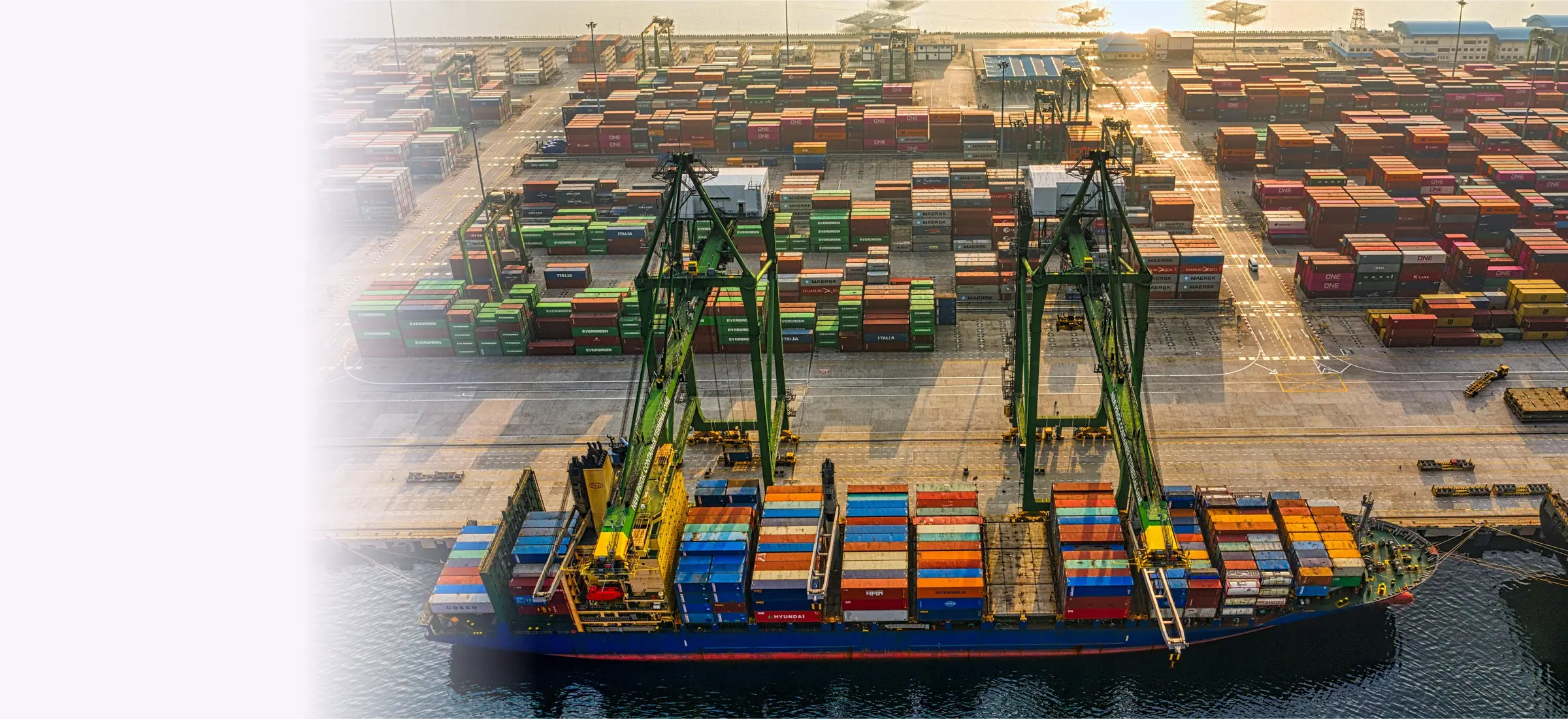
What is marine cargo insurance?
Marine cargo insurance pays for loss of or damage to goods while they travel by sea, air, road or rail, usually from the supplier's warehouse to yours. In Kenya it is compulsory for imports: the cover must come from a Kenyan-licensed insurer under the Marine Insurance Act (Cap 390, s.16A), and since 1 July 2026 a digital certificate linked to your IDF must reach KRA before customs clears the goods.
The law: imports must be insured in Kenya
Anyone with an insurable interest in marine cargo must insure it with an insurer registered in Kenya under the Insurance Act, unless the Commissioner of Insurance has granted an exemption in advance (Marine Insurance Act, Cap 390, s.16A, inserted by the Finance Act 2017).
The Insurance Act counts marine cargo policies on all imports entering Kenya as Kenyan business. Policies on the personal effects of returning residents and of passengers coming to live in Kenya are excluded (Insurance Act, Cap 487, s.2).
Source: Insurance Act (Cap 487), s.2
Placing Kenyan business with an insurer that is not licensed in Kenya, without the Commissioner's prior written approval, is an offence: a fine of up to KES 5 million, up to five years in prison, or both (Insurance Act, s.20(1) and (4)).
Source: Insurance Act (Cap 487), s.20
Under an IRA notice of 22 May 2026, from 1 July 2026 every import must be covered by a Digital Marine Cargo Insurance Certificate from a licensed Kenyan insurer. The certificate is generated against an active IDF, paid for through eCitizen and sent to KRA's customs system (ICMS) before the goods are cleared.
Source: IRA notice of 22 May 2026, as summarised by Clyde & Co (June 2026)
The rule is about imports. Exports and goods passing through Kenya on a transit entry are outside it, and the personal effects of returning residents are excluded by the Insurance Act.
What marine cargo insurance covers
Warehouse to warehouse
From the supplier's warehouse, through loading, the voyage, Mombasa or JKIA and the inland leg to your premises, including normal storage on the way.
Sea, air, road and rail
Container and break-bulk shipping, air freight, ro-ro vehicles and the road or SGR legs that connect them.
Theft, damage and loss
Under all-risks cover (ICC A): theft, pilferage, non-delivery, handling damage, water damage, fire and the total loss of a container.
Sea perils
Sinking, stranding, collision, fire and goods washed or lost overboard, under every cover level.
General average and salvage
Your share of the cost when cargo is sacrificed or money is spent to save the ship, even if your goods arrived safely.
War and strikes (optional)
Added for an extra premium, which matters on Red Sea and other routes through listed war zones.
ICC A, B or C: which cover level?
| ICC (A) all risks | ICC (B) | ICC (C) basic | |
|---|---|---|---|
| Fire, sinking, stranding, collision | Yes | Yes | Yes |
| General average, jettison | Yes | Yes | Yes |
| Sea or river water entering the container | Yes | Yes | No |
| Goods dropped during loading (total loss) | Yes | Yes | No |
| Theft, pilferage, non-delivery | Yes | No | No |
| Rough handling, breakage | Yes | No | No |
| Best for | Most goods, fragile or valuable cargo | Robust goods | Bulk goods, tight budgets |
- ICC (A) all risks
- Yes
- ICC (B)
- Yes
- ICC (C) basic
- Yes
- ICC (A) all risks
- Yes
- ICC (B)
- Yes
- ICC (C) basic
- Yes
- ICC (A) all risks
- Yes
- ICC (B)
- Yes
- ICC (C) basic
- No
- ICC (A) all risks
- Yes
- ICC (B)
- Yes
- ICC (C) basic
- No
- ICC (A) all risks
- Yes
- ICC (B)
- No
- ICC (C) basic
- No
- ICC (A) all risks
- Yes
- ICC (B)
- No
- ICC (C) basic
- No
- ICC (A) all risks
- Most goods, fragile or valuable cargo
- ICC (B)
- Robust goods
- ICC (C) basic
- Bulk goods, tight budgets
War and strikes are excluded from all three unless added. Each clause has the same standard exclusions.
What marine cargo insurance costs
No Kenyan insurer publishes a rate table. Industry and market estimates put import cargo at about 0.15% to 0.6% of the insured value (CIF plus 10%), with minimum premiums of about KES 2,500 to 5,000 a shipment, plus the PHCF levy, training levy and stamp duty.
See marine cargo costs and worked examples
Marine cargo, goods in transit or marine hull?
| Cover | What it insures | Journeys | Who buys it |
|---|---|---|---|
| Marine cargo | Your goods | Imports and exports by sea or air, with the connecting road and rail legs | Importers, exporters, car buyers |
| Goods in transit | Your goods | Road and rail within Kenya and the region | Distributors, manufacturers, transporters |
| Marine hull | The vessel | Coastal, lake and ocean waters | Boat and ship owners |
| Carriers' and forwarders' liability | Your liability for clients' goods | Any leg you handle | Transporters, clearing and forwarding agents |
- What it insures
- Your goods
- Journeys
- Imports and exports by sea or air, with the connecting road and rail legs
- Who buys it
- Importers, exporters, car buyers
- What it insures
- Your goods
- Journeys
- Road and rail within Kenya and the region
- Who buys it
- Distributors, manufacturers, transporters
- What it insures
- The vessel
- Journeys
- Coastal, lake and ocean waters
- Who buys it
- Boat and ship owners
- What it insures
- Your liability for clients' goods
- Journeys
- Any leg you handle
- Who buys it
- Transporters, clearing and forwarding agents
Many importers need two of these: marine cargo until the goods reach their warehouse, then goods in transit for distribution.
Marine and cargo guides
Every part of marine cover, explained for Kenyan importers and exporters.
Kenya's import trade in numbers
Kenya imported goods worth KES 2.77 trillion (CIF) in 2025. The largest groups were petroleum products, industrial machinery, animal and vegetable fats and oils, iron and steel, and road motor vehicles (KES 131.6 billion).
Source: KNBS, 2026 Facts and Figures
The port of Mombasa handled a record 2.11 million TEUs and 45.45 million tonnes in 2025, including 15.88 million tonnes of transit cargo (KPA, as reported).
Marine and transit insurance premiums in Kenya were about KES 4.41 billion in 2023 and KES 4.66 billion in 2024 (IRA data as reported in the press).
How Naveah arranges your marine cover
- Tell us about the shipment Goods, value, origin, how it ships and your IDF number if you have one.
- We compare Kenyan insurers Rates, cover level, excess and claims service, side by side.
- You choose and pay Through eCitizen, M-Pesa or your bank, against your IDF.
- The certificate goes to KRA Digitally, so your clearing agent can lodge the entry.
- We stay with you If anything is lost or damaged, we guide the survey and the claim to settlement.
Why importers use Naveah
Several insurers, one call
We compare cover from Kenya's licensed insurers, so you get the right clause at a fair price.
Same-day certificates
Usually issued the same working day once we have your IDF and invoice.
Free to you
The insurer pays our commission; you pay the insurer's own premium.
Help when you claim
Surveys, notices to the shipping line and documents: we follow it through.
Frequently asked questions
What is marine cargo insurance?
Marine cargo insurance pays for loss of or damage to goods while they are shipped by sea, air, road or rail, usually from the supplier's warehouse to yours. In Kenya it is compulsory for imports: the cover must come from a Kenyan-licensed insurer, and since 1 July 2026 a digital certificate must reach KRA before the goods are cleared.
Is marine insurance mandatory in Kenya?
Yes, for imports. The Marine Insurance Act (s.16A) and the Insurance Act (ss.2 and 20) require marine cargo cover on goods imported into Kenya to be placed with a Kenyan-licensed insurer, unless the Commissioner of Insurance grants an exemption. Personal effects of returning residents are excluded. Exports are not caught by the rule.
How much is marine cargo insurance in Kenya?
Insurers do not publish rates, but market estimates put most import cargo at about 0.15% to 0.6% of the insured value, with minimum premiums of about KES 2,500 to 5,000 a shipment. On goods worth KES 2 million that is roughly KES 3,600 to 14,500 before levies. Fragile, high-theft or used goods cost more.
Should I choose ICC A, B or C?
Choose ICC (A) for most goods, especially anything fragile, valuable or easy to steal: it covers all risks except the listed exclusions, including theft and handling damage. ICC (B) and (C) cover named events only and suit robust bulk goods where theft and breakage are unlikely. The price gap is often smaller than the gap in cover.
How do I get a digital marine cargo insurance certificate?
Register your Import Declaration Form first. Then ask a Kenyan insurer, an agency such as Naveah, your clearing agent's platform or the eCitizen insurance portal for cover against that IDF, pay, and the certificate goes electronically to KRA's customs system. Once it shows there, your goods can be cleared.
My supplier already insures the goods on CIF. Do I still need Kenyan cover?
Yes. A foreign policy arranged by your supplier does not meet the Kenyan rule, and customs will look for a local digital certificate. To avoid paying twice, ask the supplier to quote CFR (cost and freight) and buy the cover in Kenya.
What is the difference between marine cargo and goods in transit insurance?
Marine cargo covers imports and exports by sea or air, with the road or rail legs that connect them, and is compulsory for imports. Goods in transit covers your stock moving by road or rail within Kenya and the region. Many importers need both: marine cargo to their warehouse, then goods in transit for distribution.
Does the local marine insurance rule apply to exports?
No notice issued so far applies it to exports. The Insurance Act names imports only, and the digital certificate is enforced through import declarations. Exporters who sell on CIF or CIP terms still need cargo cover, and can buy it from a Kenyan insurer by choice.
What do Institute Cargo Clauses A, B and C all exclude?
All three clauses exclude:
- Wilful misconduct by you
- Ordinary leakage, loss of weight or volume, and wear and tear
- Poor or insufficient packing
- Inherent vice: damage caused by the nature of the goods
- Delay, even if caused by an insured event
- Insolvency or financial default of the ship's owners or operators
- Nuclear risks
- Unseaworthiness you knew about when the goods were loaded
- War, strikes, riots and terrorism, unless the war and strikes clauses are added
ICC (B) and (C) also leave out anything that is not on their list of named events, such as theft and rough handling.
Where can I buy marine cargo insurance in Kenya?
From any Kenyan-licensed general insurer that writes marine cover, through an IRA-licensed insurance agency such as Naveah, through your clearing agent's platform, or on the eCitizen insurance portal. All of them must issue the same digital certificate against your IDF.
Why buy marine cover through Naveah instead of a portal?
A portal sells you a certificate; we compare insurers for the right cover level, check the value and terms, and help you if you ever need to claim. Our service is free to you: the insurer pays our commission, and the premium is the insurer's own rate.
How fast can Naveah get my marine certificate?
Usually the same working day once we have your IDF, invoice and shipping details. Send them by WhatsApp or the form on this page and Farzana's team will reply within the hour in office hours.
Shipping goods to Kenya?
Tell us what you are importing, its value and how it ships. We compare Kenyan insurers and arrange the digital certificate against your IDF.
Licensed by IRA · No obligation · We reply within 1 hour
Sources
- Marine Insurance Act (Cap 390), s.16A
- IRA notice of 22 May 2026, as summarised by Clyde & Co (June 2026)
- Insurance Act (Cap 487), s.2
- Insurance Act (Cap 487), s.20
- Eastleigh Voice, July 2026
- Naveah Capital review of 33 Kenyan insurer websites, 18 October 2026
- KNBS, 2026 Facts and Figures
- Port Technology, 4 February 2026, citing KPA
- Business Daily and Eastleigh Voice, citing IRA data
- eCitizen insurance portal (insurance.ecitizen.go.ke)
- The Star, 3 July 2026
- Eastleigh Voice, 30 June 2026
Facts and published prices checked 18 Oct 2026; last reviewed October 2026 by Naveah Capital. Rates shown are market estimates before levies, not a quote or a promise. Naveah Capital Insurance Agency is an IRA-licensed insurance agency in Nairobi; this page is general information, and your policy wording decides your cover.

 IRA Licensed
 KSB Member
 Reviews 4.9