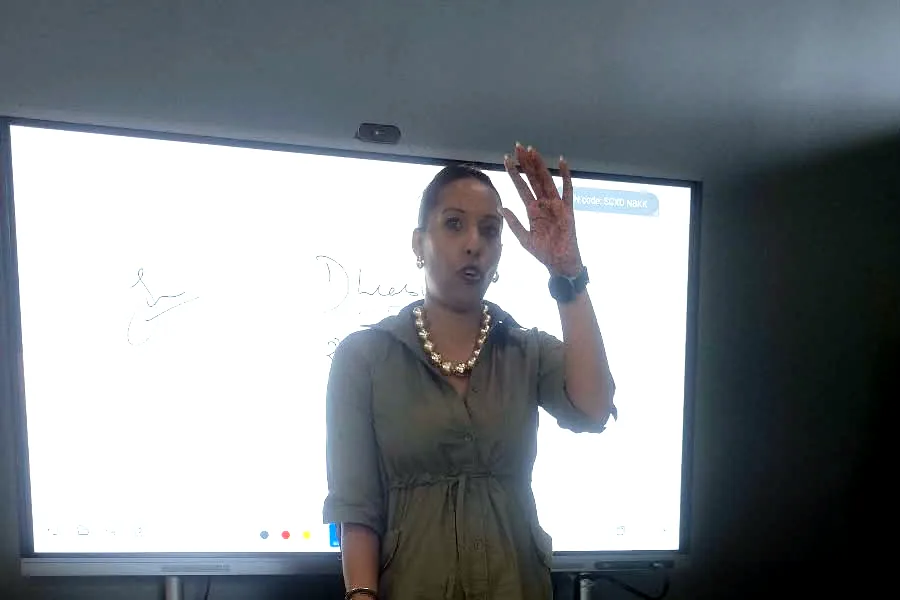
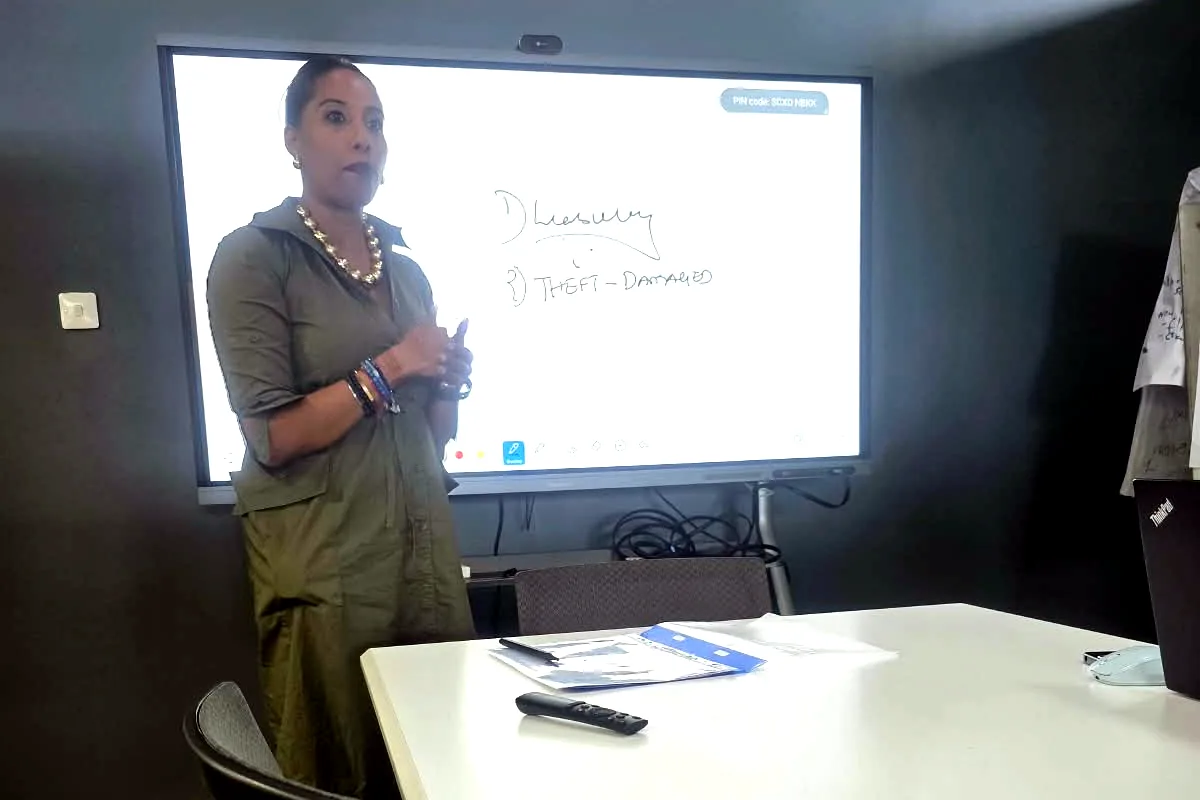
An education goal without a financial plan is only a hope. An education insurance or savings plan turns it into something you can act on — a disciplined, structured way to prepare for the cost of your child's future education, long before the fees fall due. That was the heart of a recent talk Farzana Sumra, Director at Naveah Capital Insurance Agency, gave to parents and students at Braeburn School in Nairobi.
Ask a child what they want to be and the answers come easily — pilot, doctor, engineer, architect, entrepreneur, or a degree abroad. The ambition is clear. The ability to fund it, years from now, is far less certain. Planning early is how families close that gap.
Will we be ready when the time comes?
For a young child, university feels a long way off — which is exactly why it is easy to postpone saving for it. But the pressure does not stay distant. One day your child excels, wins a place on a specialised course, or is accepted to study overseas, and the question shifts from "what does my child want to become?" to "can we fund the opportunity in front of us?" Leaving that question until the final years before university squeezes the whole cost into a short, stressful window. Starting earlier lets you build towards it gradually and systematically.
What is an education insurance policy?
An education insurance policy is designed to help a parent or guardian build funds towards a child's future education, often combined with an element of insurance protection depending on the product and insurer. You make agreed contributions over a defined period, working towards money that can support future education costs. The investment component, bonuses, benefits, protection and payout structure vary between insurers and policies — which is exactly why professional guidance matters before you commit. At Naveah Capital, families can compare education insurance alongside life and pension options from different providers, rather than trying to navigate every product alone.
It is about discipline, not just saving
Most families intend to save for education. They plan to start next month, or once there is a little extra. Everyday demands quietly take priority, and the intention never becomes a habit. A structured plan changes the question from "can I put something aside this month?" to "this is part of the plan we already made for our child" — and consistency, sustained over years, matters more than waiting for the perfect moment to begin.
It also connects today's decisions to tomorrow's opportunities: a young child may not yet know their path, but a growing fund gives the family real options when that ambition takes shape. Above all, it gives a child's "you can be anything" the financial foundation it eventually needs — because university fees, professional training, accommodation, books and equipment, travel and specialised or international programmes are substantial, and preparation beats scrambling at the last minute.
From dreaming to planning: the questions to ask
Farzana's core message was to make education planning intentional. A good plan starts with a few honest questions:
- What future are we preparing for? Think broadly about your child's possible path, not just next year's school fees.
- When will we need the money? A 15-year horizon and a four-year one call for very different planning.
- How much can we realistically commit? A sustainable contribution beats an ambitious one you cannot maintain.
- What protection does the policy include? Understand what is covered, and what happens under different circumstances.
- How and when are benefits paid? Payout timing should line up with when the education costs actually arrive.
What to weigh before choosing a plan in Kenya
No single policy is right for every family. Before you take one out, consider your child's current age and how much time you have; your target — secondary school, university, postgraduate or international study, each with a very different price; your monthly or annual budget; the policy term and when benefits become payable; the benefits and protection included, and whether they are guaranteed or depend on the policy's performance; the flexibility available if your circumstances change; and the insurer itself. An insurance intermediary can compare providers and explain how the products differ, so you are choosing on facts rather than guesswork.
Start with a conversation, not a policy
If you are a parent in Nairobi or elsewhere in Kenya thinking about your child's education, the first step is not signing up — it is talking it through: your child's age, your goals, your timeline, your budget, the protection you want, and the options open to you. Your child's education may be years away. The moment to start preparing for it is now. Use the form on this page and we will compare suitable education insurance options and reply within the hour.
Education insurance in Kenya: common questions
What is an education insurance plan in Kenya?
It is a policy that helps a parent or guardian build funds towards a child's future education over an agreed period, often with an element of insurance protection. The exact features, benefits and payouts vary by insurer and product.
When should I start an education plan?
Generally the earlier the better — starting while your child is young spreads the cost over more time and eases the pressure later. The right approach still depends on your child's age, your budget and your target education level.
Does an education policy guarantee my child's university fees?
No plan can guarantee every future cost. What it can do is build a financial foundation so your family has more options when the time comes. Whether particular benefits are guaranteed depends on the policy, so read the terms carefully.
Can I choose how and when the money is paid out?
Payout timing and structure differ between products. A good plan aligns the benefits with when education costs fall due, and an adviser can help you match the two.
How much should I contribute to an education plan?
Enough to be sustainable over the long term. A realistic, consistent contribution is more valuable than an ambitious target you cannot maintain — the right figure depends on your child's age, your budget and your goal.